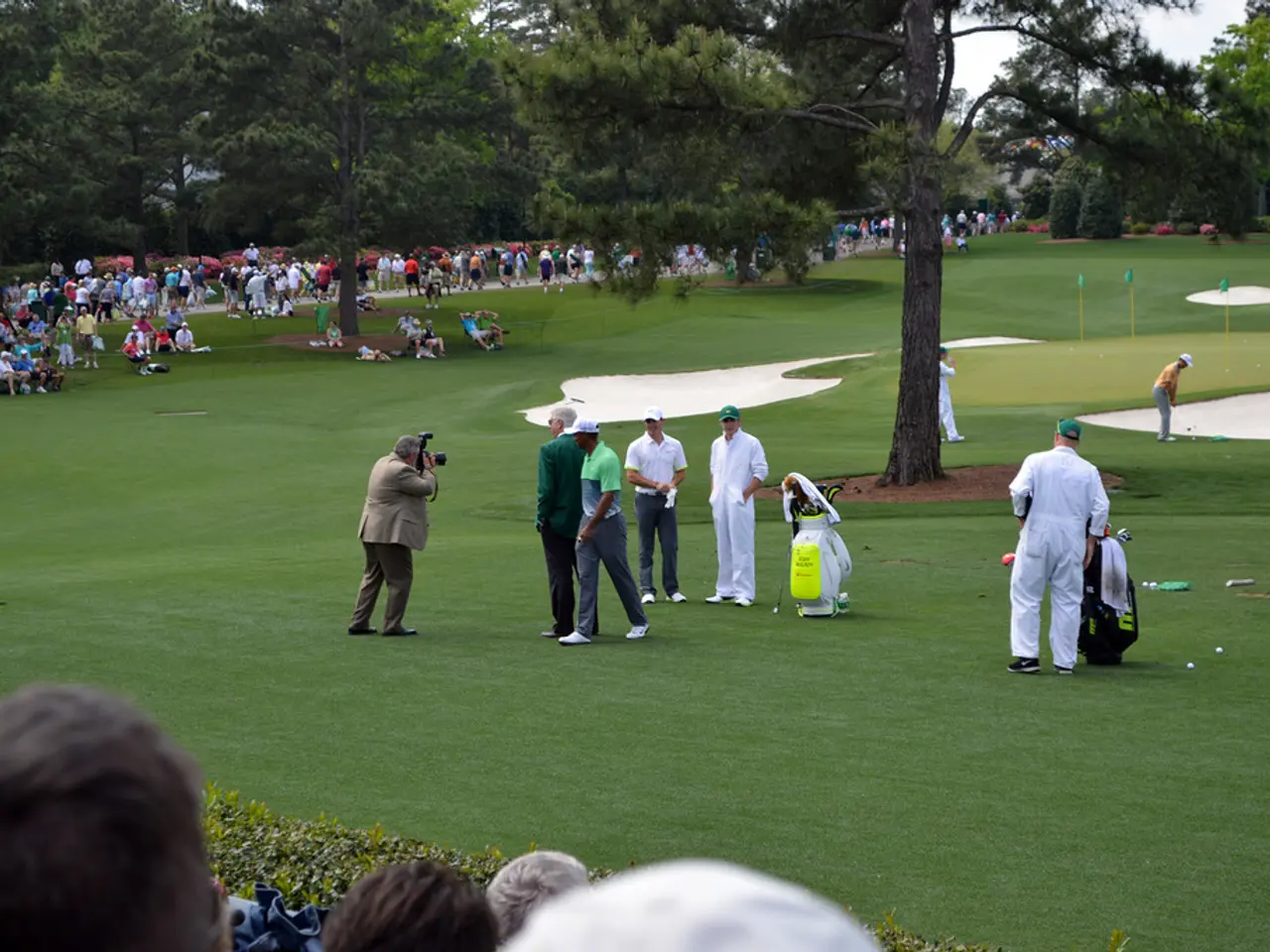
Una competizione di palle Cayman, nel campo del golf, si riferisce a un torneo in cui i giocatori competono usando palle Cayman, una marca specifica di palle da golf.
Negli anni '80, Jack Nicklaus, leggenda del golf, guidò un ambizioso progetto per rivoluzionare il gioco del golf. In quel periodo, Nicklaus era heavily coinvolto con il produttore di attrezzature MacGregor, e il risultato fu la creazione della palla Cayman.
La palla Cayman era stata progettata per avere una distanza ridotta rispetto a una palla da golf regolare, un concetto che Nicklaus credeva potesse offrire un approccio fresco allo sport. Troy Puckett, allora direttore della produzione di MacGregor, ha speso 100.000 dollari per la ricerca per sviluppare questa palla unica.
I primi test della palla Cayman si sono svolti al Britannia Golf Club, dove Greg Downer, ex direttore del golf, ha spiegato nel 2001 che i giocatori non erano entusiasti dell'idea di pagare di più per una partita di golf con una palla da golf non conforme. La palla Cayman, essendo più leggera e caratterizzata da bolle invece che da solchi, aveva differenze evidenti che ne influenzavano le prestazioni, rendendola difficile da adattare per alcuni giocatori.
Despite Nicklaus's influence, the Cayman ball failed to gain traction. Players preferred using a regulation ball over the unfamiliar Cayman ball, which made the course more challenging. Attempts at Cayman ball courses elsewhere also met with similar results, and the idea eventually faded into obscurity.
The Cayman ball's characteristics, such as its tendency to roll out a fair distance and putts feeling quicker and further than with a regular ball, were not enough to overcome the resistance from the golfing community. The hole being played was 120 yards long, and on a day with fairly gentle wind, these differences were magnified, making the Cayman ball less appealing.
Interestingly, this concept was not a new one. In the 1930s, golf architect William H. Diddel had a similar idea but never obtained a satisfactory reduced-distance ball.
Fast forward to the present day, and the golfing world is once again considering changes. However, instead of reducing the distance of the ball, the focus is on lengthening courses. This recent decision marks a stark contrast to the experimental era of the Cayman ball, a testament to the enduring traditions of the sport.
Sadly, the Britannia Golf Club, where the Cayman ball was first played, has now closed its doors. The legacy of the Cayman ball, while short-lived, serves as a reminder of golf's continuous pursuit for innovation and the challenges that come with it.
Leggi anche:
- Calcoli e analisi di probabilità
- La trasformazione di Orbán da democratico a capo della destra radicale
- Progetti di costruzione e impatto sulla biodiversità: spiegazione del guadagno netto della biodiversità e della sua potenziale influenza sugli sviluppi immobiliari
- Le organizzazioni britanniche pro-palestinesi affrontano la sospensione dei conti bancari durante la repressione dell'opposizione politica