Strategie per suscitare entusiasmo tra le folle
In anni recenti, molte città hanno fatto progressi nella creazione di reti di piste ciclabili complete. Tuttavia, le città precise che guidano questo sforzo e l'ammontare degli investimenti in questi progetti rimangono sconosciuti. Anche se esistono alcune informazioni su iniziative correlate alla mobilità, come le stazioni bike e il bike-sharing di Mönchengladbach dal 2018, non sono disponibili dati precisi sui finanziamenti. Altre città si concentrano sulla riqualificazione delle aree centrali, che non è correlata all'infrastruttura ciclistica.
Despite the lack of detailed data, the benefits of investing in urban cycling are undeniable. For instance, the cost of financing just 5 or 6km of highway is equivalent to building an 80km cycling network in a city like Seville. This not only offers a more sustainable transportation option but also provides a more cost-effective solution for city planners.
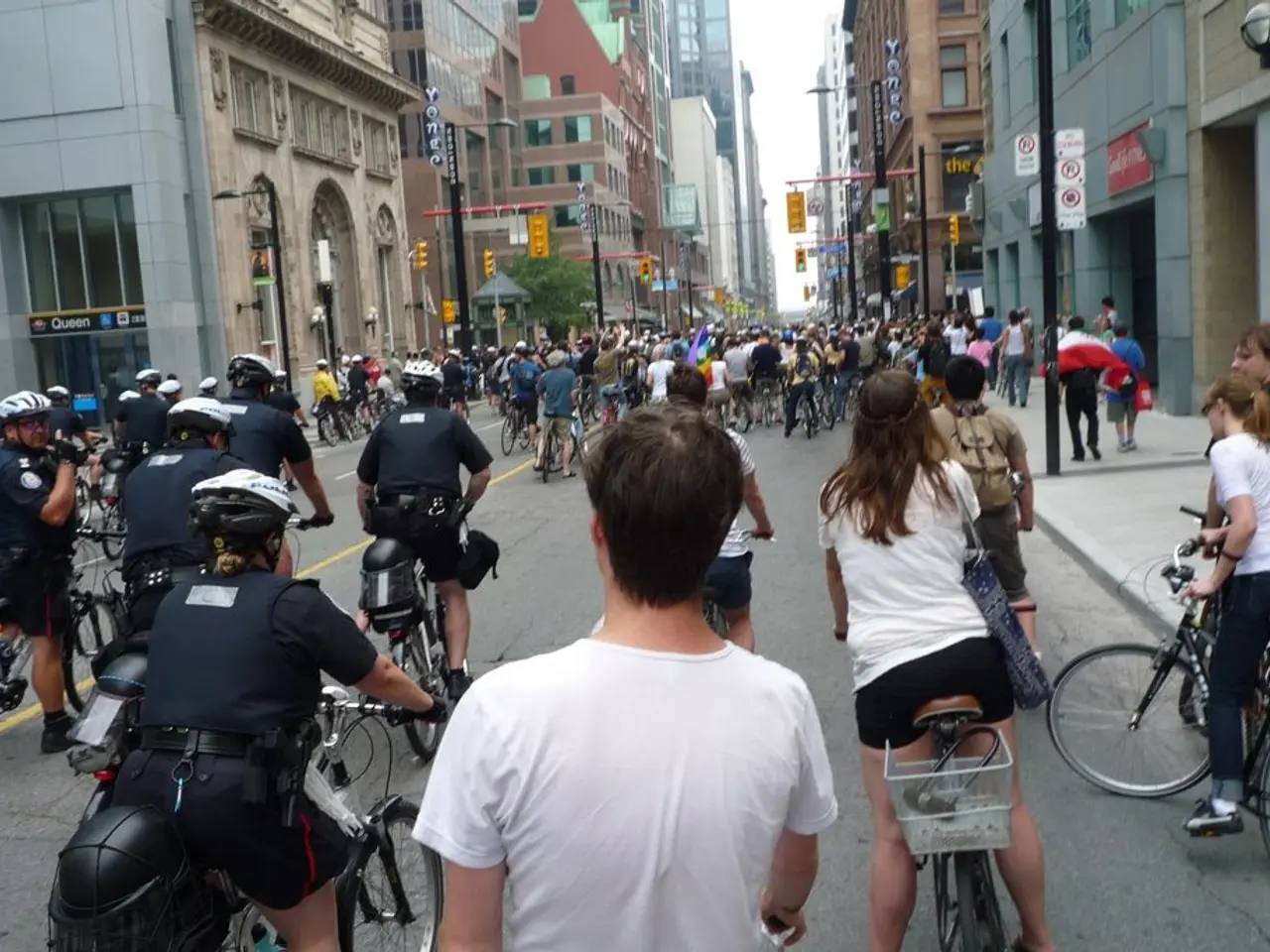
Cycling offers numerous social benefits as well. Cyclists are more likely to make eye contact, interact with other lane users, and appreciate the surrounding environment, contributing to a more harmonious urban landscape.
Economically, cyclists can be a significant boon for cities. The Dutch Cycling Embassy has calculated that cyclists spend three times more than motorists, shop more locally, and are more loyal customers. This increased spending can stimulate local economies, creating jobs and businesses in industries such as bike shops, repair workshops, bike rental agencies, and cafes catering to cyclists.
The environmental impact of cycling is also substantial. By reducing car use, cities can become speckled with green spaces, replacing pollutants with pollen. Cycling can help reduce air and noise pollution, potentially saving millions of lives globally, as air pollution contributes to 7 million annual deaths.
Moreover, cycling can preserve a city's historic layout. Cities designed around cycling can maintain their unique charm and character, attracting tourists and residents alike.
Finally, increased cycling can make cities nicer places to live in. With cleaner air and quieter streets, cities become more enjoyable and livable for all residents.
A notable study by British Cycling estimated that the UK's National Health Service could save 17 billion pounds within 20 years if the cycling and walking modal share matched that of Denmark. This underscores the potential long-term benefits of investing in urban cycling infrastructure.
While detailed data on city investments in cycling infrastructure may be scarce, the benefits of such investments are clear. From economic stimulation to environmental improvements and improved quality of life, urban cycling offers a promising solution for cities looking to create more sustainable, livable, and enjoyable urban environments.