Scoprire l'antica storia della Tanzania: uno sforzo di collaborazione
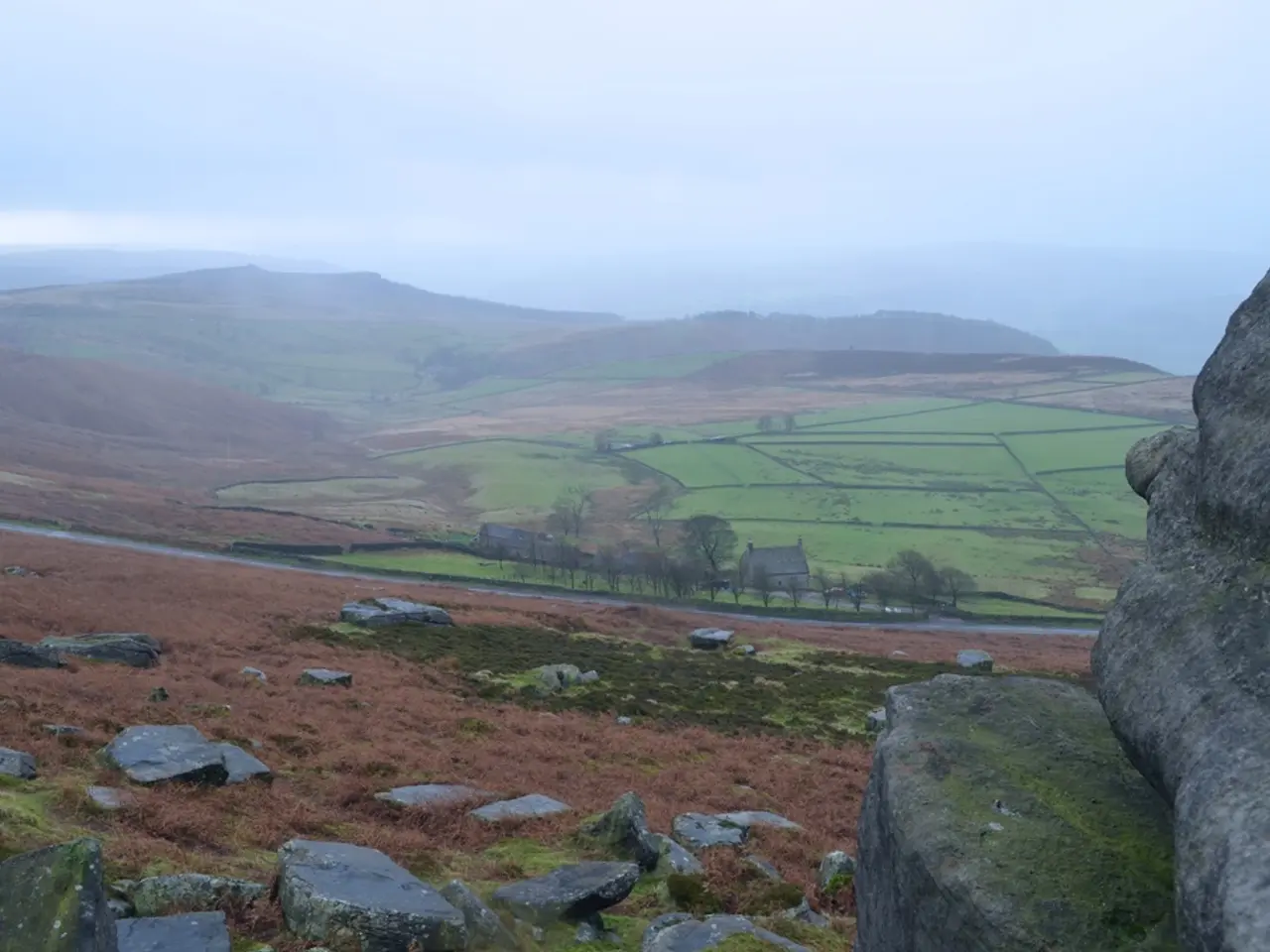
In the heart of Tanzania's Kondoa district, perched among giant boulders above the Masai Steppe, lies Kisese II - a treasure trove of Stone Age artifacts and fossils for scientists, but for the nearby village of Machinjioni, it is part of a living cultural landscape.
An American archaeologist and researcher on human origins in Tanzania aims to be a collaborator who empowers and amplifies Tanzanian perspectives, marking a stark contrast to the conventional, often exclusive, way foreign scientists conduct research in Tanzania.
Before the research began, the village elders held a ritual at the site to honor ancestors and ask for their permission for the research. This respect for local customs and traditions sets the tone for a community-driven approach that enables community members to shape the agenda and contribute as equal partners.
The researcher found confidence in the idea of an "archaeology of the heart" - doing research with empathy and humility, intertwined with scientific rigor. This new model for safeguarding and understanding human origins in Tanzania is grounded in collaboration, mutual respect, and shared stewardship.
Archaeologist Fidelis Masao, an expert on Tanzania's ancient history, first taught the writer how to identify stone artifacts in 2008. Masao's knowledge and dedication to preserving Tanzania's archaeological record are invaluable in this collaborative effort.
Programs like The Leakey Foundation and Paleontological Scientific Trust are beginning to improve access to sustainable funding for Tanzanian researchers. This support is crucial in fostering a new generation of Tanzanian archaeologists like Husna Mashaka Katambo, who are earning degrees and leading research teams.
The researcher refuses to follow the "parachute paleoanthropology" playbook, as research is often associated with outsiders exploiting local bodies, lands, and histories in Tanzania. Instead, the writer collaborates with Masao, Tanzanian college students, and heritage officials for renewed fieldwork at Kisese II starting in 2017.
Information was shared with Tanzanian museums and authorities in real time during the research. A virtual-reality tour of the site was built to allow exploration for those who couldn't hike up to it. A WhatsApp group, Slack workspace, and online shared folders were set up for everyone to follow along with the discoveries.
The research at Kisese II integrated community benefit by contributing to the building of a primary school. This integration of community benefit is a key component in the transformation of human evolution research methods from extractive to generative, nourishing relationships, building capacity, and supporting long-term stewardship.
Tanzanian voices have been sidelined in research on the country's deep past for decades. The writer identifies with those who have been excluded and believes that science, especially about human origins, should not be a one-sided story told by outsiders. The goal is to transform human evolution research methods to be more inclusive and equitable.
Old photographs from the 1950s onward show significant loss of Tanzania's archaeological record due to erosion and human activity. Masao discussed this disappearing archaeological record and the urgency of preserving what remains.
Currently, archaeologists involved in research and joint efforts for the preservation of archaeological sites in Tanzania include Thoralf Klein (Loughborough University), Kirsten Bönker (Nordost-Institut, Lüneburg), and Andrea Azizi Kifyasi (University of Dar es Salaam), who collaborate on the project "Competing Socialisms and African Agency. The Sino-Soviet Rivalry in Tanzania during the Cold War, 1950s-1990," funded for three years from March 2025.
The writer aims to use a community-driven approach for research at Kisese II, inspired by participatory research that enables community members to shape the agenda and contribute as equal partners. This approach is not just about sharing knowledge, but about empowering local communities to take ownership of their past and future.
The researcher reflects on their upbringing and the hierarchies that continue to shape who is seen as legitimate in academic spaces. By challenging these hierarchies and amplifying Tanzanian perspectives, the writer hopes to contribute to a more equitable and inclusive future for human origins research.
About 150 people live in the nearby village of Machinjioni, farming corn and millet, and herding goats, sheep, and cows. Their connection to Kisese II and Tanzania's deep past is a testament to the importance of this collaborative approach. By working together, we can ensure that the stories of our past are told by those who lived them, and that the legacy of human origins research benefits all, not just a select few.
Leggi anche:
- Titolo di prima pagina: Eventi mondiali
- Nel 2025, nel corso dei primi 8 mesi dell'anno, sono stati confermati 4 casi di influenza aviaria in bambini residenti in Bangladesh.
- Spiegazione dell'infezione da torcia: una discussione sulla sindrome da torcia
- Informazioni essenziali: Comprendere l'ipertensione