
Scienziati marini avvertono di incendi sottomarini negli oceani
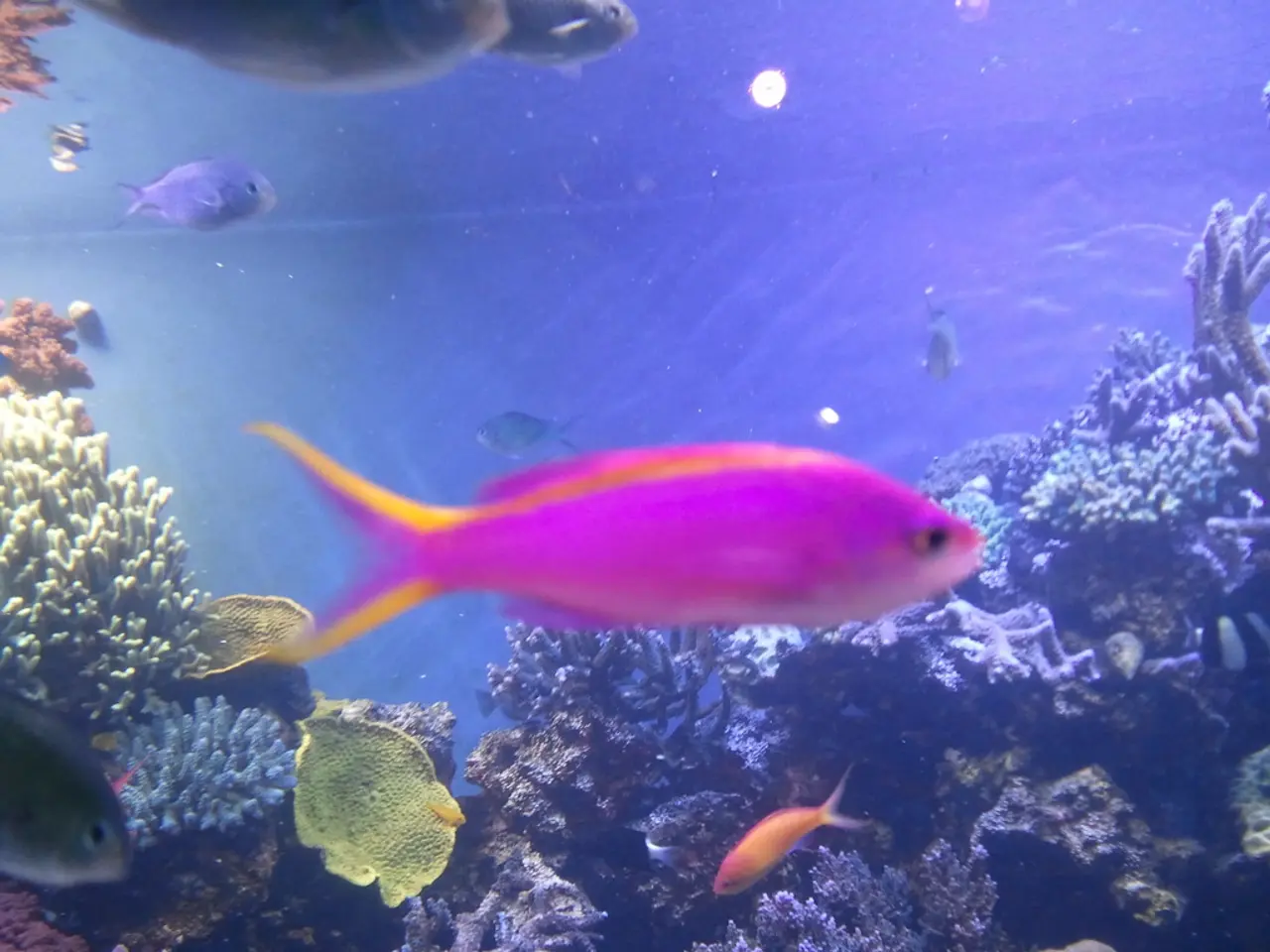
Sulle acque cristalline al largo della costa occidentale dell'Australia, si sta sviluppando una silenziosa crisi. I vivaci coralli di Ningaloo, un sito patrimonio mondiale dell'UNESCO e un rifugio per la vita marina, stanno attraversando un evento di sbiancamento devastante, causando profonda preoccupazione tra scienziati, conservazionisti e turisti.
Lo sbiancamento, descritto da Paul Gamblin, a capo della Australian Marine Conservation Society, come "un incendio sommerso incontrollato" che persiste da mesi, sta causando un forte impatto emotivo sulla comunità locale. Sara Morgillo, una lavoratrice della conservazione, condivide le sue riflessioni sulla situazione, affermando che molte persone sono state viste piangere in acqua, profondamente turbate alla vista dei loro amati reef che diventano grigi e privi di vita.
La causa di questo evento di sbiancamento può essere ricondotta al riscaldamento globale, alimentato dalle emissioni di carbonio in aumento. NASA reports that 90% of global warming is being absorbed by the oceans, causing temperatures to rise alarmingly. This warming is disrupting the delicate balance that coral reefs, like those at Ningaloo, maintain with the algae that live inside their cells, providing them with vital nutrients.
When water temperatures rise beyond a certain threshold, the relationship between the algae and corals breaks down, leading to the bleaching of the corals. Dr. Kate Quigley, a principal research scientist at Minderoo Foundation, compares the coral bleaching process to a human getting a stomach bug.
In an effort to combat this crisis, Dr. Chris Roelfsema and his team at the University of Queensland are mapping Ningaloo using satellite imagery to track the health of the corals. Meanwhile, Dr. Roelfsema encourages people to support political leaders who advocate for reducing fossil fuel use and promoting renewable energy. He suggests that small steps, like driving less and using public transport, can help mitigate the environmental impact.
Dr. Quigley's team is also engaged in breeding corals in the lab that are more resilient to higher temperatures. This research offers a glimmer of hope in the face of this ongoing crisis.
For tourists visiting Ningaloo, the damage is stark and troubling. British-South African tourist Jenna-Rae Clark describes her snorkeling experience as "like snorkeling on a corpse." The reef, which attracts around 200,000 visitors annually, is a significant contributor to the local tourism-dependent economy. The damage caused by the bleaching event is a concern for the future of this industry.
The North West Shelf Gas Project, one of the world's largest fossil fuel projects, continues to operate up the coast from Ningaloo. The Australian government has allowed Woodside, the company running the North West Shelf gas plant, to extend its operations until 2070. This decision has sparked debate among environmentalists and conservationists, who argue that the continued operation of such projects contributes to the warming of the oceans and the subsequent bleaching events.
As the battle against coral bleaching continues, it serves as a stark reminder of the urgent need for action on climate change. The fate of Ningaloo, and the countless other coral reefs around the world, hangs in the balance.
Leggi anche:
- Il Dipartimento dell'Agricoltura degli Stati Uniti è in disordine, mentre riassume specialisti in influenza aviaria precedentemente licenziati a causa del finanziamento della criptovaluta Dogecoin
- Verdi degni di essere consumati: scopri le 8 erbe e verdure più salutari per la tua dieta
- Accelerazione del tasso di crescita del mercato delle proteine vegetali, previsto al 6,7% entro il 2034
- Informazioni sui programmi di Medicare e di trattamento con oppiacei (OTP)