"La lunga lotta per l'estrazione del litio in Serbia"
Al centro dell'Europa, il dibattito sull'estrazione del litio in Serbia è diventato un punto focale di discussione, suscitando dibattiti sul tipo di società in cui i serbi vogliono vivere, sui loro veri bisogni e su come dovrebbe essere una transizione energetica e sociale giusta.
Il riaccendersi del dibattito sull'estrazione del litio dopo le elezioni ha visto l'opinione pubblica rimanere superiore al 50% contraria al progetto. Questa opposizione è stata alimentata da preoccupazioni per gli abusi dei diritti umani da parte del governo, gli impatti ambientali e la potenziale exploitation delle risorse del paese per interessi stranieri.
La Germania e l'UE stanno apparentemente considerando di collaborare con il governo di destra della Serbia per sfruttare il litio, un componente cruciale delle batterie dei veicoli elettrici. Tuttavia, questa collaborazione ha suscitato controversie, con molte persone che si interrogano sulle implicazioni etiche del sostegno a un governo con un record dei diritti umani discutibile.
La decisione della Corte Costituzionale di annullare la decisione del governo serbo di bloccare il progetto Jadar ha ulteriormente complicato la situazione. La corte ha stabilito che la decisione "non era in linea con la Costituzione e la legge", aprendo la strada al ripristino delle attività di estrazione.
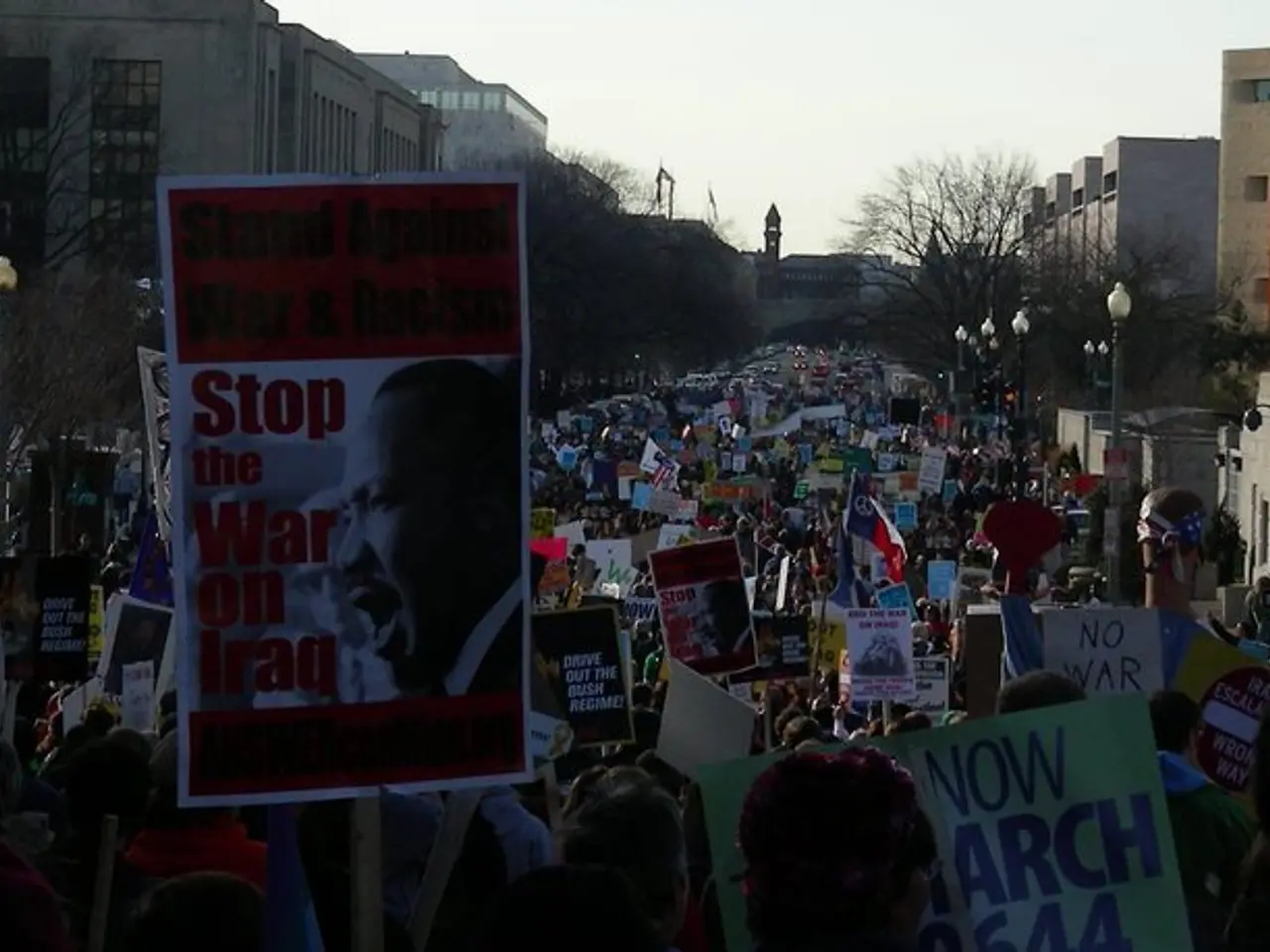
Despite the increasing state control and the arrest of over 40 activists during the summer, plans for new protests and blockades are being announced. Environmental activists and certain political parties have demanded a permanent ban on the extraction of lithium and boron ores in a specific location in Serbia.
The ruling party, with the help of its media and institutions, is likely to work on further damage control and diluting the debate about the lithium mining project. After the SNS secured a parliamentary majority, Aleksandar Vučić was re-elected as president, and the party's authoritative control remains in place.
The pro-European opposition, running under a "Serbia Against Violence" banner, achieved the best result for an opposition coalition since 2012 in December's snap elections. However, unprecedented allegations of vote rigging marked the elections, resulting in new protests and a struggle at all levels to contest the results.
The Memorandum of Understanding aligns with the European Critical Raw Materials Act, which aims to shorten the supply and processing chains of materials such as lithium for the net zero industry. President Vučić mentioned a joint guarantee on environmental protection with Franziska Brantner, but this constructive cooperation is seen as an attempt to shift responsibility for any potential environmental degradation from himself to Germany, especially to the German Greens.
Rio Tinto, a multinational company, is still purchasing land and carrying out preparatory work for a lithium mining project in Serbia, despite losing its work permits. Local residents, activists, and politicians who oppose the project emphasise that the time for analysis is over; they have been appealing for in-depth assessments for years, with the company and government representatives avoiding accountability.
In a positive development, a German and European Commission delegation visited Belgrade in July 2024, launching a Strategic Partnership between the Republic of Serbia and the European Union on sustainable raw materials, battery value chains, and electric vehicles. The German Green Party has also shown support for Serbian politicians opposing Rio Tinto's mining activities, advocating for environmental protection and climate justice.
As the debate continues, it is clear that the future of Serbia's society and environment hangs in the balance. The decisions made in the coming months could have far-reaching implications for the country and its people.
Leggi anche:
- L'intervento dell'amministrazione Trump ha ostacolato l'intrusione britannica nella privacy personale
- Il banchetto di Trump offre un tocco regale con vini e alcolici storici della California, selezionati per l'occasione.
- Trump esprime la sua discordia con le opinioni di Starmer su Gaza e il riconoscimento della Palestina
- Immagini: dichiarazioni mattutine di Claudia Sheinbaum il 17 settembre 2025