
Elenco delle nazioni africane con il più significativo sviluppo agricolo nel 2025
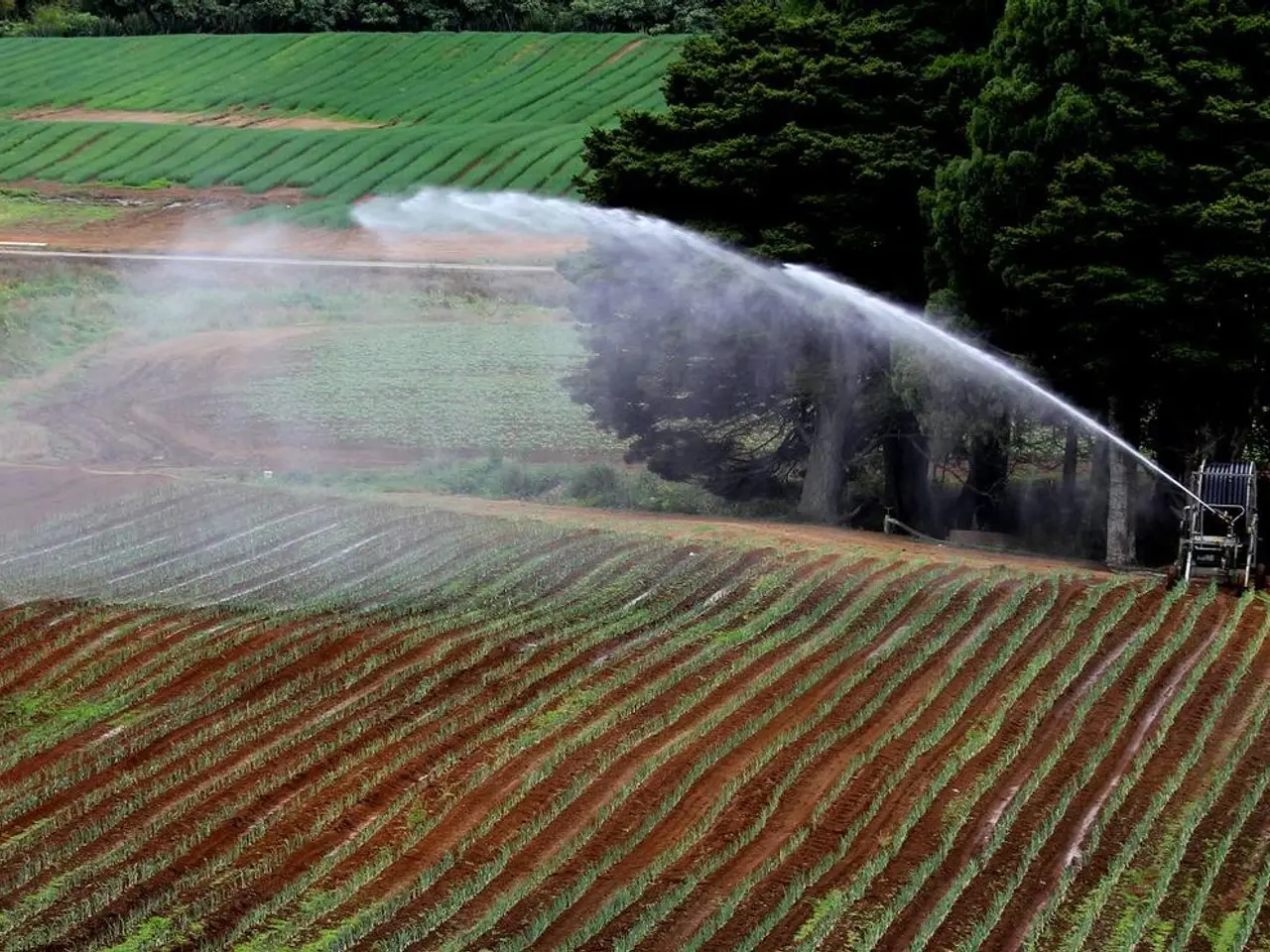
In the heart of Africa, a vibrant agricultural revolution is underway. Countries across the continent are investing billions of dollars into irrigation systems, mechanization, agri-fintech, and climate-smart farming, transforming their agricultural landscapes and economies.
Ghana, known for its key crops of maize, rice, and cocoa, has seen significant growth thanks to the Planting for Food and Jobs (PFJ) project. A $1.3 billion investment in 2024 has led to the creation of 1.5 million jobs and a 30% reduction in food imports.
Nigeria, Africa's largest economy, is not only maximizing staple food production but also aggressively positioning itself in the carbon economy. Over 2 million jobs were created in 2023-2024 alone, and agriculture employs 38% of the national workforce. Notable projects and companies include AFEX Commodities Exchange, ThriveAgric, and the Anchor Borrowers' Program.
Côte d'Ivoire, the world's largest cocoa exporter, underpins its national export revenue and rural employment with agriculture. A $2 billion investment for cocoa expansion and diversification has been made, and the agricultural GDP contribution stands at around 45%.
Ethiopia, still Africa's largest coffee exporter, has expanded irrigation, creating over 1.2 million rural jobs. The Agricultural Transformation Agency (ATA), an $5.5 billion irrigation program, is a testament to the country's commitment to agricultural growth.
Angola achieved 8% agricultural output growth and reduced food imports by 20% through investments totaling $3 billion in 2024. Egypt aims for 75% wheat self-sufficiency by 2030, and has a $6 billion desert agriculture expansion project.
Morocco, with key crops including fruits, vegetables, and olive oil, has seen significant growth under the Plan Maroc Vert project, which has received over $10 billion investment since 2020.
Uganda's agricultural sector contributes significantly to the economy, with key crops including coffee, bananas, maize, beans, and sugarcane. Coffee exports alone generated $845 million in 2024.
Kenya, with key crops including tea, flowers, coffee, and a notable agricultural GDP contribution of approximately 30% of export revenue, received an $800 million investment for irrigation and infrastructure in 2024.
Egypt, with key crops including wheat, rice, and cotton, has a substantial agricultural GDP contribution. The import value of agricultural products in Africa is expected to reach $40.8 billion, and the export value of $20.5 billion by the end of 2025.
The top 10 countries with the greatest agricultural value creation potential from 2025-2029 include the United States, China, Brazil, India, Russia, Indonesia, Nigeria, Argentina, France, and Australia. Key agricultural products vary by country, such as grains and livestock in the U.S., rice and vegetables in China and India, soybeans in Brazil and Argentina; flagship programs focus on sustainable farming technologies, precision agriculture, and supply chain improvements; economic impacts include increased rural employment, export revenues, and food security enhancement.
Over 15 countries have allocated more than 10% of their national budgets to agriculture as of 2024, demonstrating a commitment to agricultural growth and development. The African agricultural sector is projected to have a gross production value of $189.07 billion by the end of 2025, and the agricultural economy across sub-Saharan Africa is projected to reach $1 trillion by 2030.
However, Africa's food import bill is projected to rise to $110 billion, highlighting the need for continued investment and innovation in the agricultural sector. The continent's agricultural revolution is well underway, and the future looks bright for these key players.